Welch Wholesale Florist Inc is Chicago based wholesale flower sales company that deals with multiple vendors across the United States, supplying thousands of retailers across the state of Illinois and its neighbouring states on a daily basis.
“We need a bespoke software to manage our inventory and sales process with log of vendors and products. We’re losing money with huge overhead due to many products mix up in the inventory, and the inability to analyse which products ships out on time and to whom due to the manual nature of operating the inventory.”
After conducting my research, I came to the conclusion for the design of a bespoke B2B SaaS application with 2 user levels (Admin and Salespeople) that provides weekly report on the business sales activities (ordering, product log, purchase, inventory and reporting) with multiple datapoints, readable metrics at a glance, ability to assign privileges and oversee the activities of salespeople.
The research process followed a structured pattern to help discover the deeper needs of the users and stakeholders, not just the business ”problem statement” as defined.
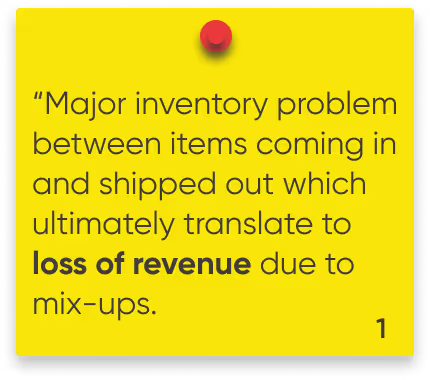
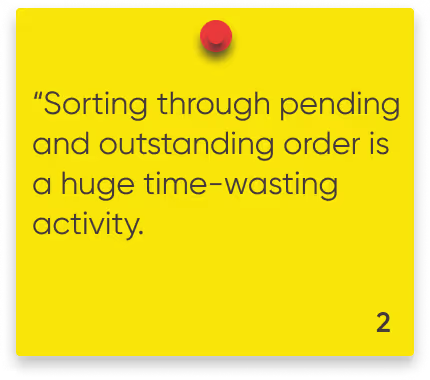
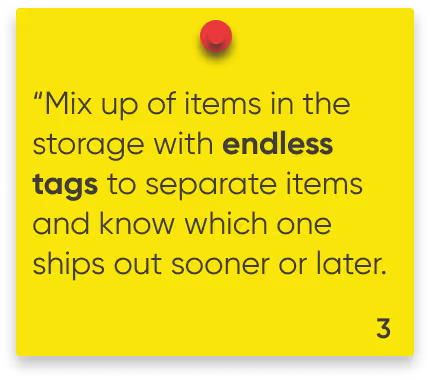
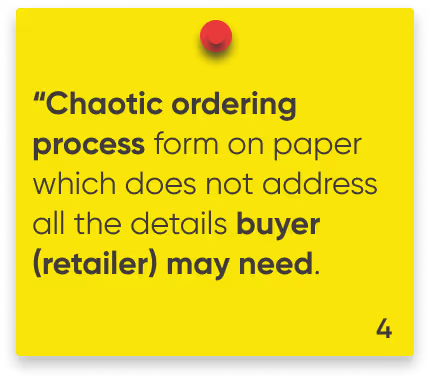


I was able to conduct interviews via zoom call with both managers and salespeople after having send them google form (survey) to get more clarity and facts. I had 3 participants from both sides to get a balanced feedback on the current system and what they want the software to address for them.
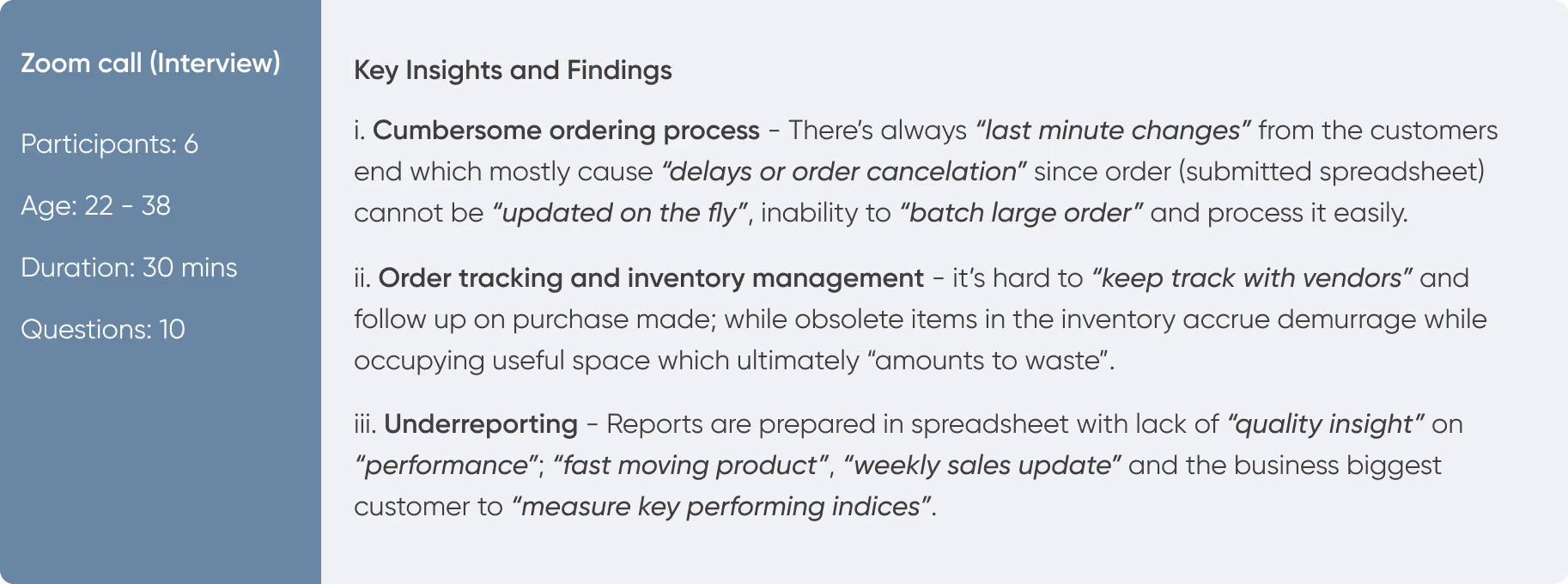
The major shift for the business to wanting to move to digitized process for their dailyoperation stems from inventory, ordering and tracking bottlenecks; however, they needsomething bespoke to “increase revenue”, “reduce cost” “easy to manage” “increase efficiency” and “streamline operation”, not just any sales or CRM software available.
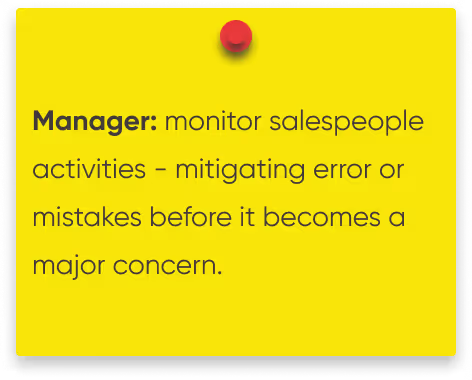
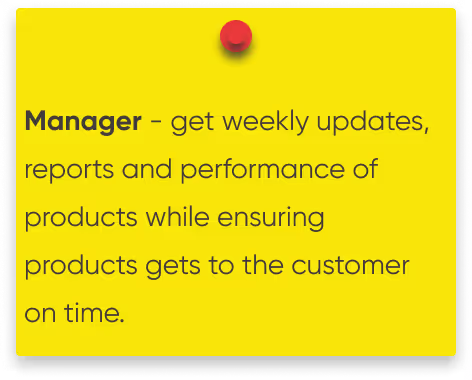
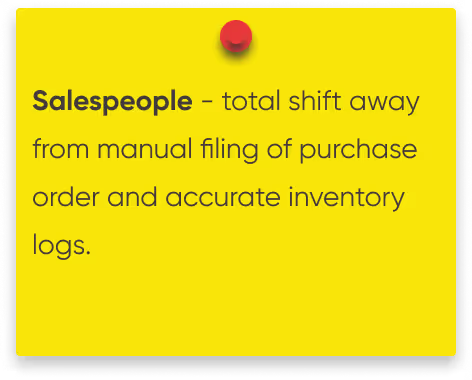
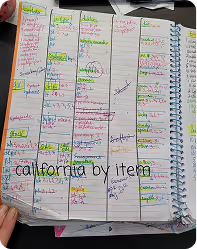
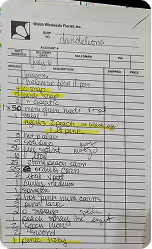
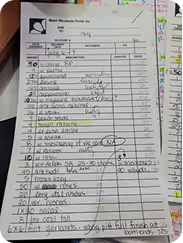
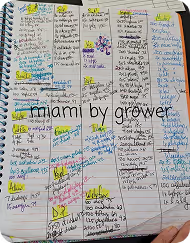
These are all paper-based for both order and vendor as seen below in the sheets and, vendor record books.
I took a look at other B2B SaaS software in the sales space (Zendesk, Hubspot and Salesforce) to gain insight into their features, offering and why my client requested for a bespoke software with less overhead and support that can be handled in-house.
Having done my research and interview with the Welch people, it helped guide my design decision on what is needed, what’s not, and ultimately avoid complexities in my design approach.
I was able to conduct interviews via zoom call with both managers and salespeople after having send them google form (survey) to get more clarity and facts. I had 3 participants from both sides to get a balanced feedback on the current system and what they want the software to address for them.
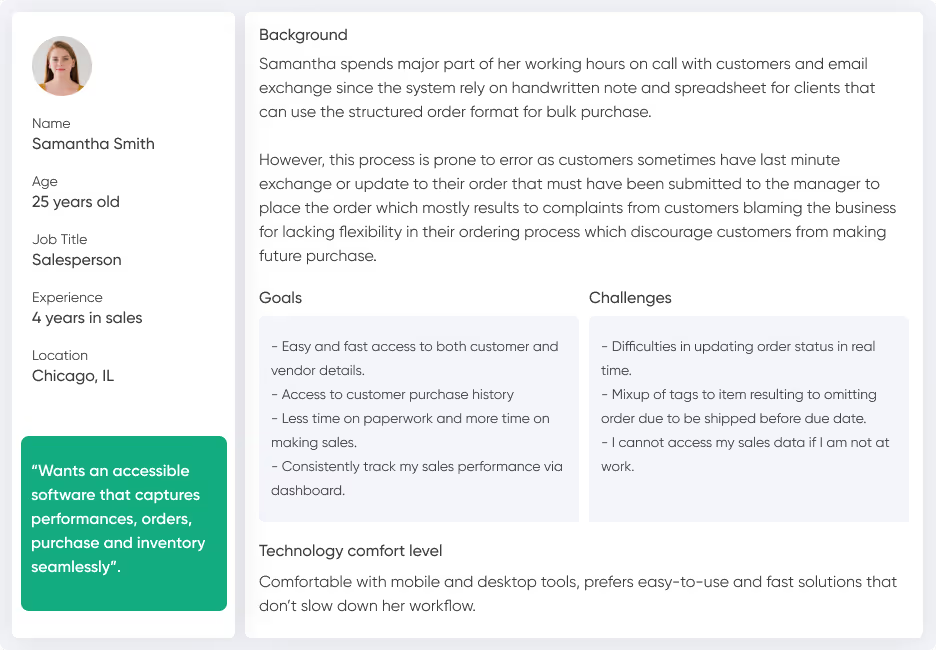
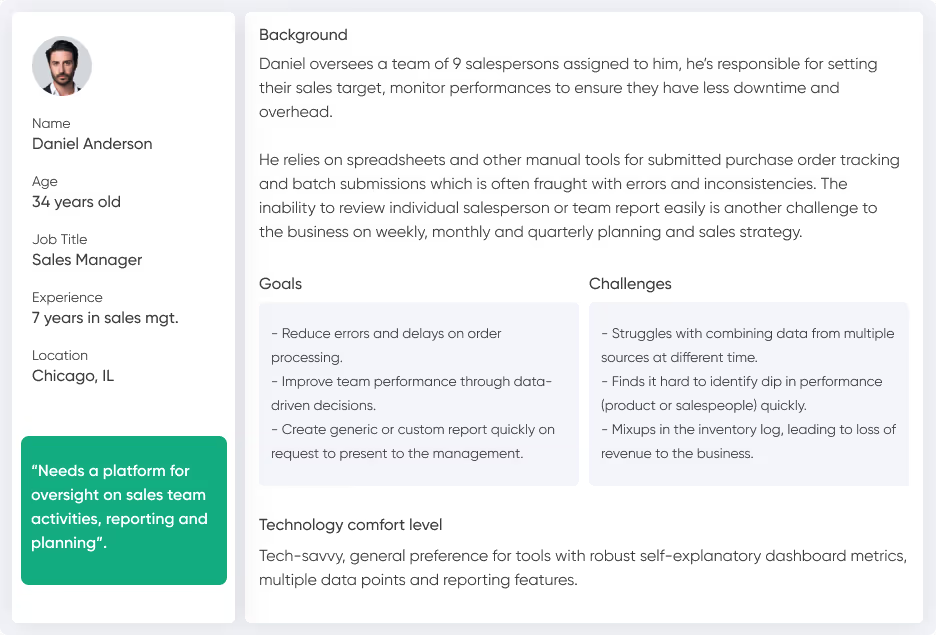
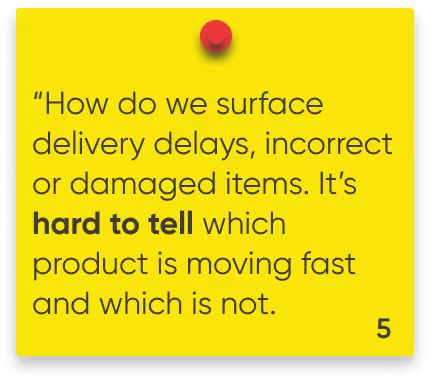
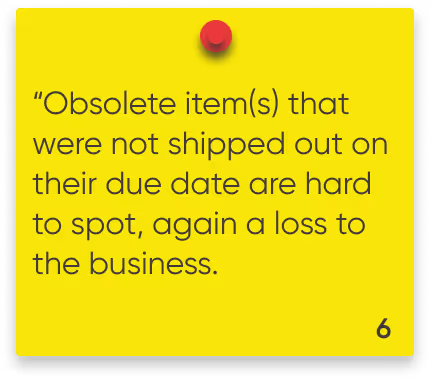
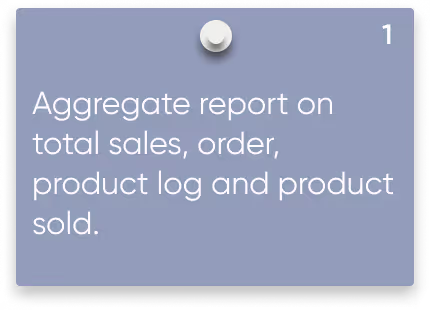
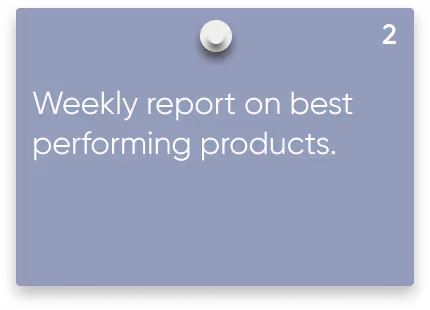
To gather more information about what the user wants the new software to address, we gathered their feedbacks on userstories board platform.
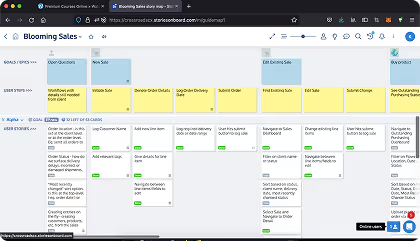
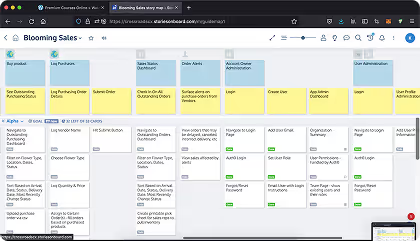
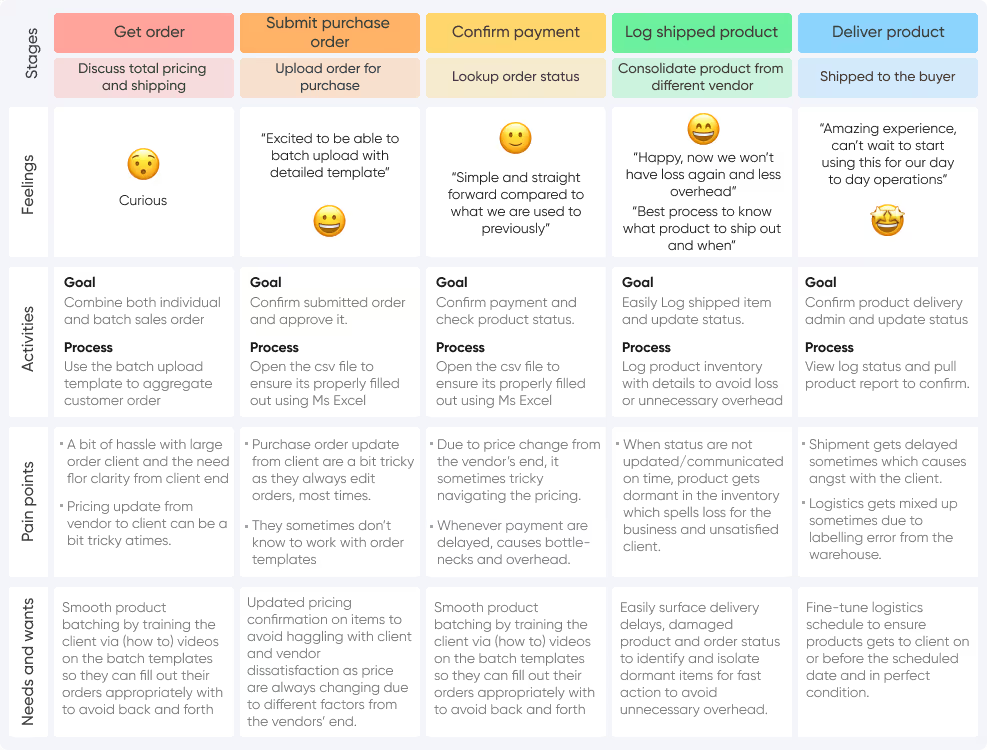
Having mapped the user journey along with the information gathered during the interviews, we worked how to better navigate the app, easily find information on products or individuals as we have 2 user levels. Onboarding is being handled using the Auth-0 platform separating users from the software as they have other softwares (Payment and HR) that’s running already.

We were able to gather enough information and iterate very fast with high fidelity wireframe since the project was time-bound and needed to be delivered. Wireframe link was shared to the few participants to get their feedback and some were done over zoom to observe the their interaction and ensure we stay lean and move fast.
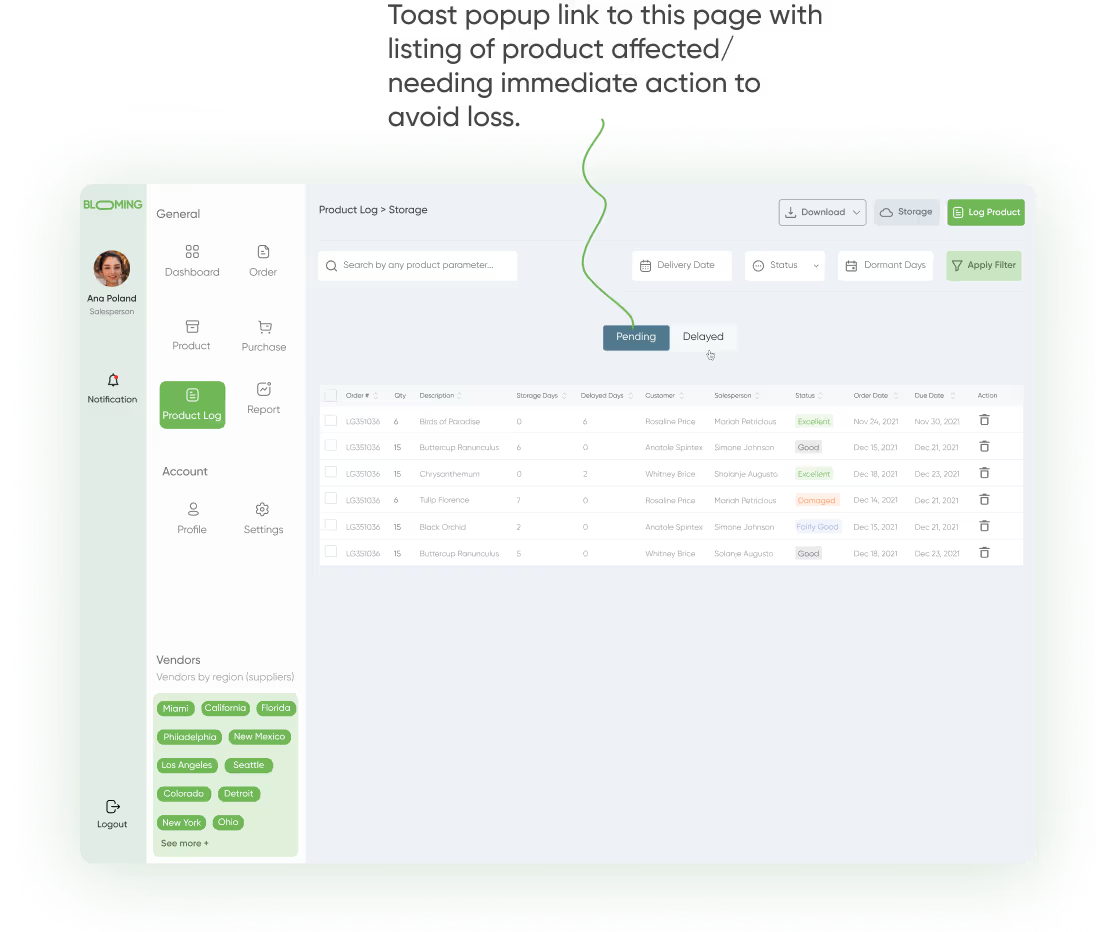
There was a challenge on how to display products that are beyond their storage days or forgotten in the inventory which ultimately results to loss on the business side (a major challenger).
The first approach, we design a notification status, added a storage button for users to check periodically. However, the stakeholders requested for more robust and persistent reminder as notification gets ignored overtime and required an attentive user to check them.
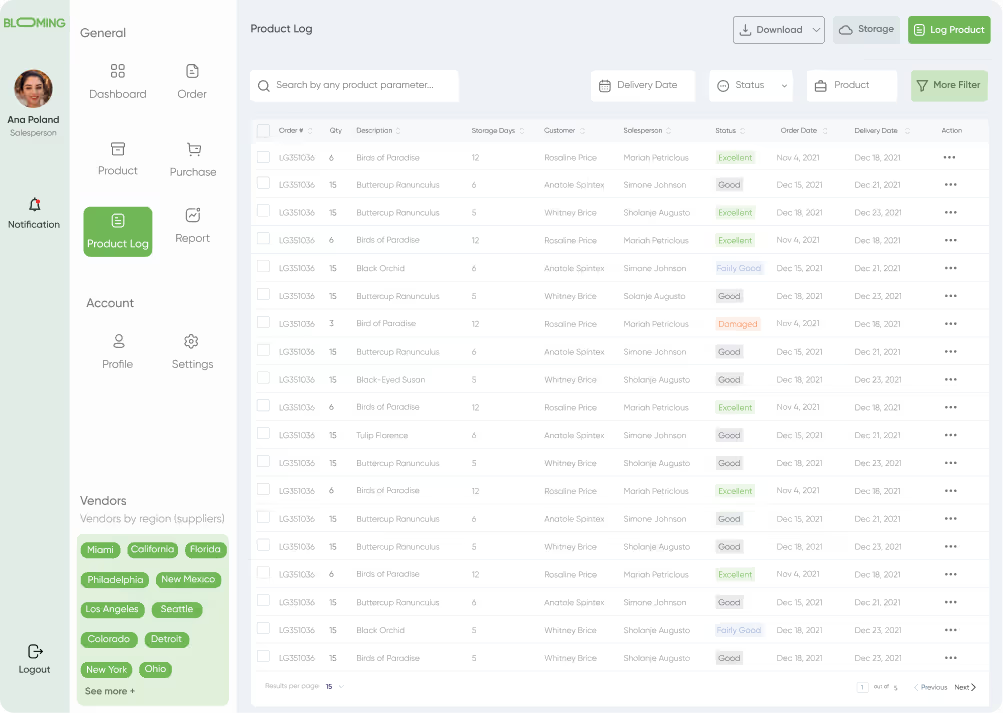
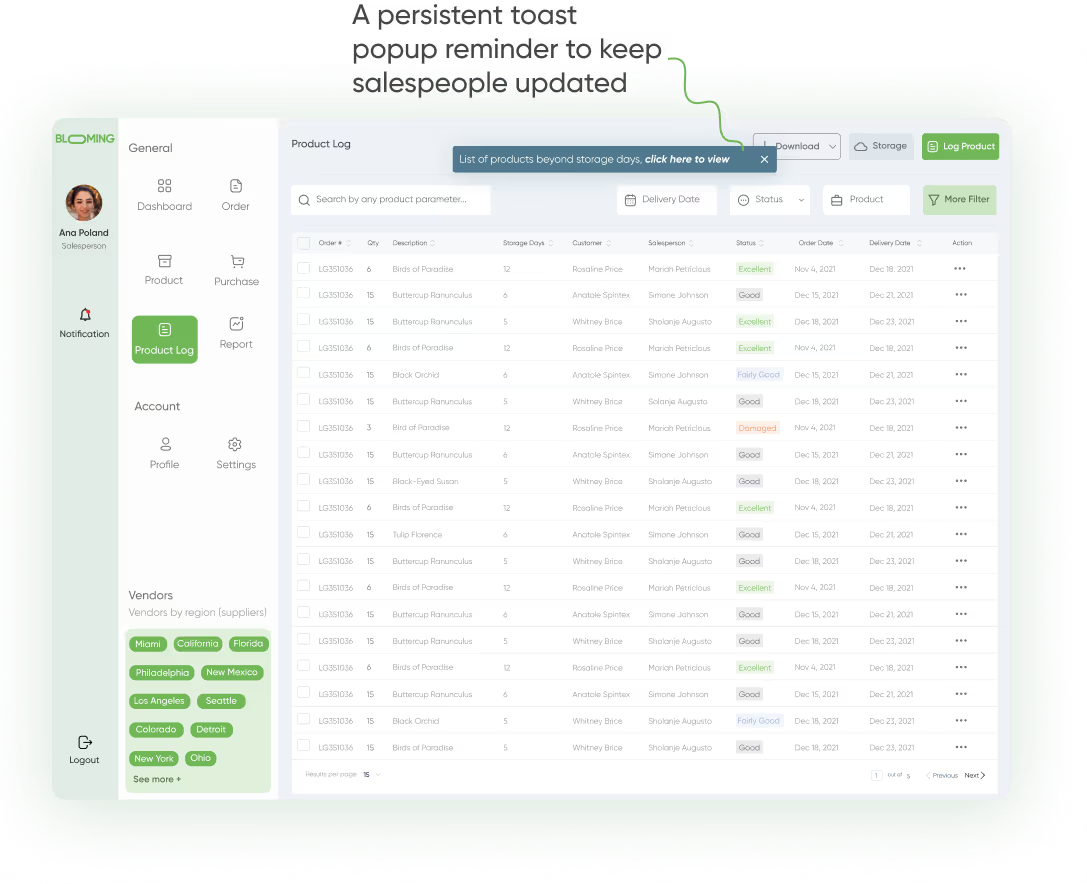
We designed a more robust alert system (toast), persistent and hard to miss which pops up automatically once a product is 2 days away from the set storage days to avoid delayed shipment and ultimately help the business avoid revenue loss, dissatisfied customer and unnecessary overhead cost.
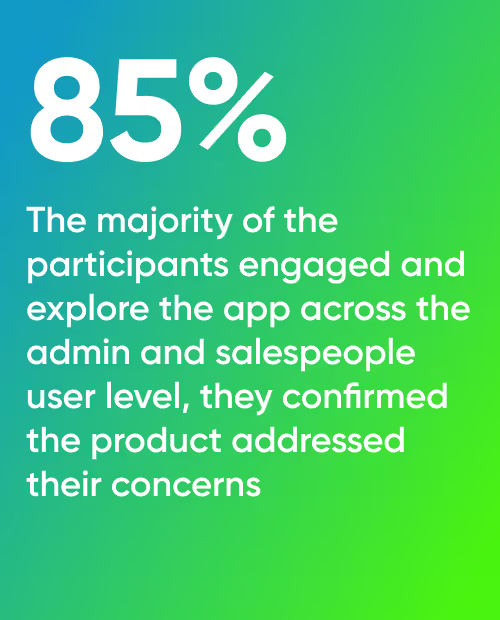
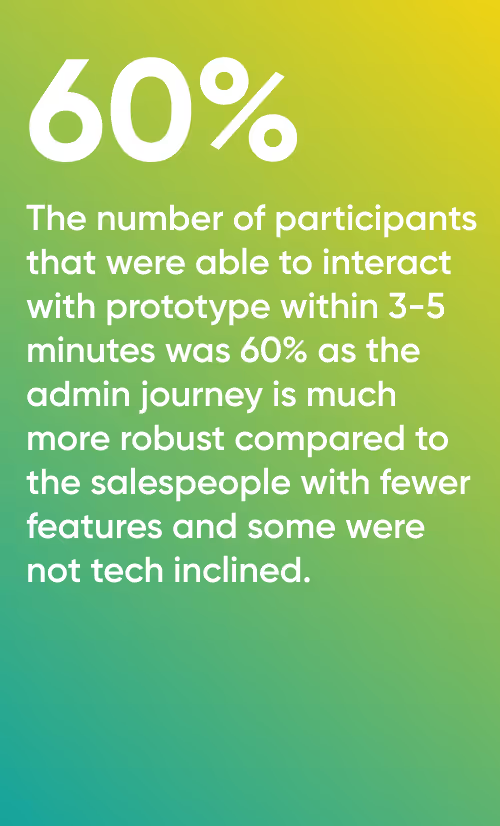
After the mockup was concluded, we reached out to the participants again (3 from each user side) to test the prototype and give their feedback over a video zoom call with no guidance or suggestion from us (product team), we observe their interaction with the app, journey, navigation, identify issue encountered (pain points) and note down their suggestions as they iterate through the app.
The admin testers requested to have more datapoints (high selling products and orders) to make strategic business decisions; also, to have a tabulated and chart view of product bottomline on the report page.
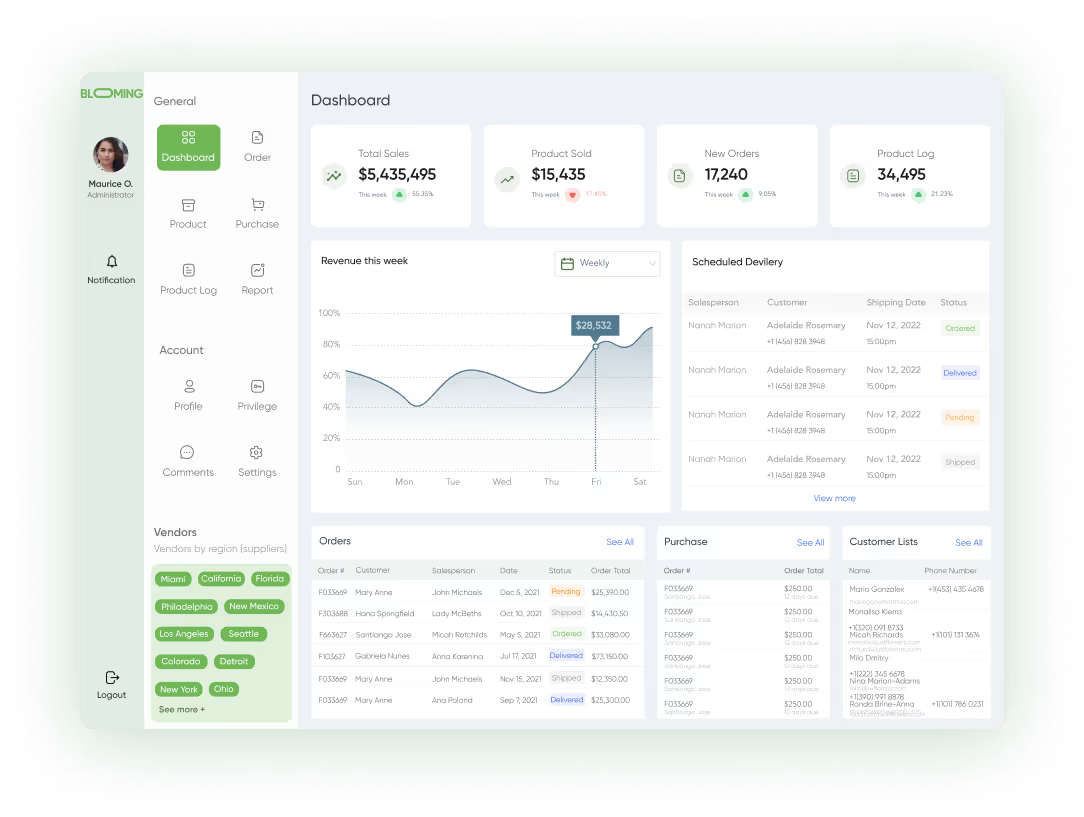
Tabulated data on orders, purchase and customers listing
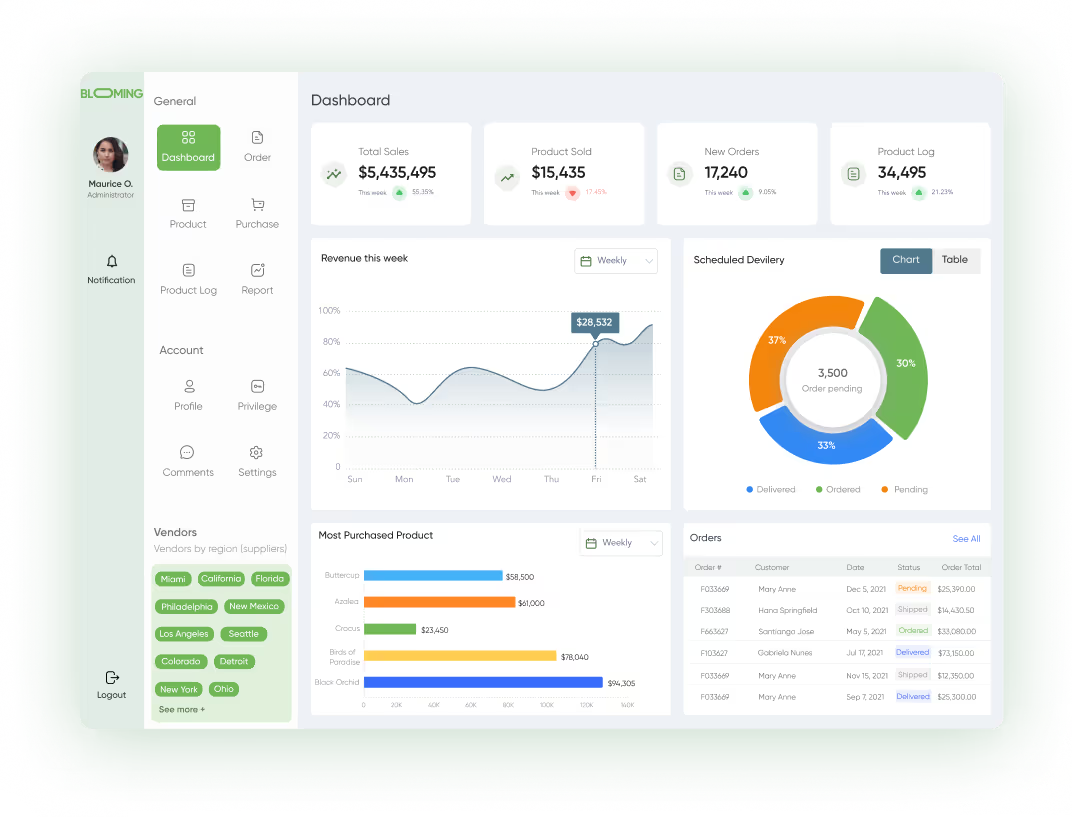
Schedule delivery (tabbed) and most purchased product metrics was added to the managers (admin) dashboard for business decision making.
The salespeople are more than happy with their flow and commended the listings on report page where they get to see who’s topping the sales chart, ability to reach out to vendor easily to know which product they have in stock and current price. Also, they liked the empty states design a lot.
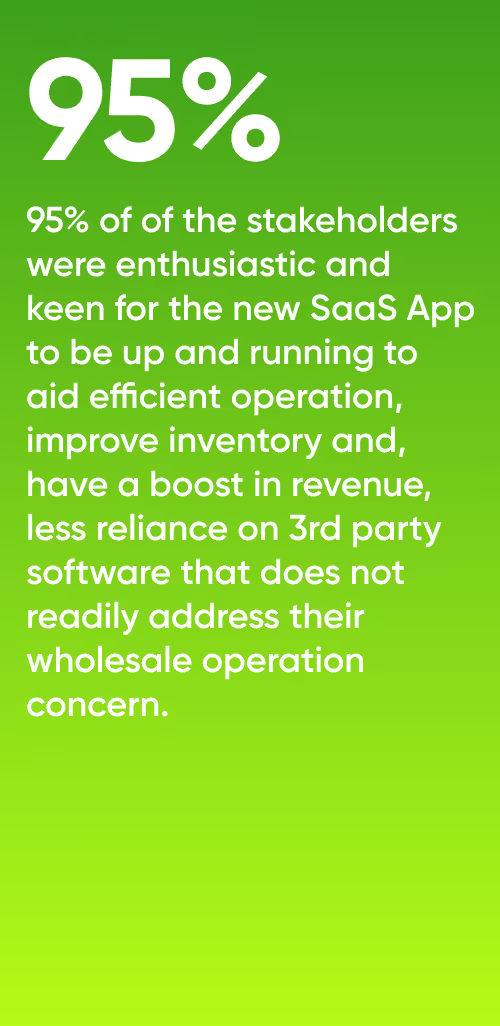
Both users (managers and salespeople) embraced the product as we provided them with the visual (mockup) prototype of the product for end to end interaction while the design, research and asset files were handed over to the in-house software engineers for development.
Future projection is to license the sales management software to other wholesale florist companies in the United States to manage their operations for effectiveness and efficiency.
Check out my other projects here: Case Study 👈